




- 手机:13761418683
联系人:爱必信
网址:http://www.absin.cn/
地 址:上海市浦东新区新浩路58号18号楼

高分文献解读|发现肠道病毒组-APC-Th17-IL22 全新代谢免疫轴 Absin 助力 CD4?T 淋巴细胞流式分析
2026-09-07
一、文献基础综述
期刊:Cell Host & Microbe;2026 年,IF=31.3,微生物领域顶级子刊;
DOI:10.1016/j.chom.2026.01.019;
论文标题:Commensal enteric virome regulates intestinal carbohydrate digestion and absorption(肠道共生病毒组调控小肠碳水化合物消化吸收);
作者:Fengqing Lin 等,
通讯作者 Aikun Fu、Weiqin Li,南京大学金陵医院、浙江大学团队南京大学。
全文核心结论:以噬菌体为主体的肠道共生病毒组,可独立于肠道细菌菌群调控宿主小肠碳水化合物消化吸收;病毒组对不同肠道细胞产生差异化应答:直接刺激肠上皮细胞上调碳水消化吸收基因;同时激活抗原提呈细胞?Th17 通路分泌 IL?22,IL?22 反过来抑制过度碳水摄取;病毒组最终效应方向取决于 APC?T 细胞免疫监视是否存在;免疫监视完整时病毒组抑制碳水吸收,免疫监视缺失时病毒组反而促进碳水吸收,建立「肠道病毒组?APC?Th17?IL?22?肠上皮」全新代谢?免疫调控轴,为肥胖、糖尿病等代谢疾病提供全新干预靶点。
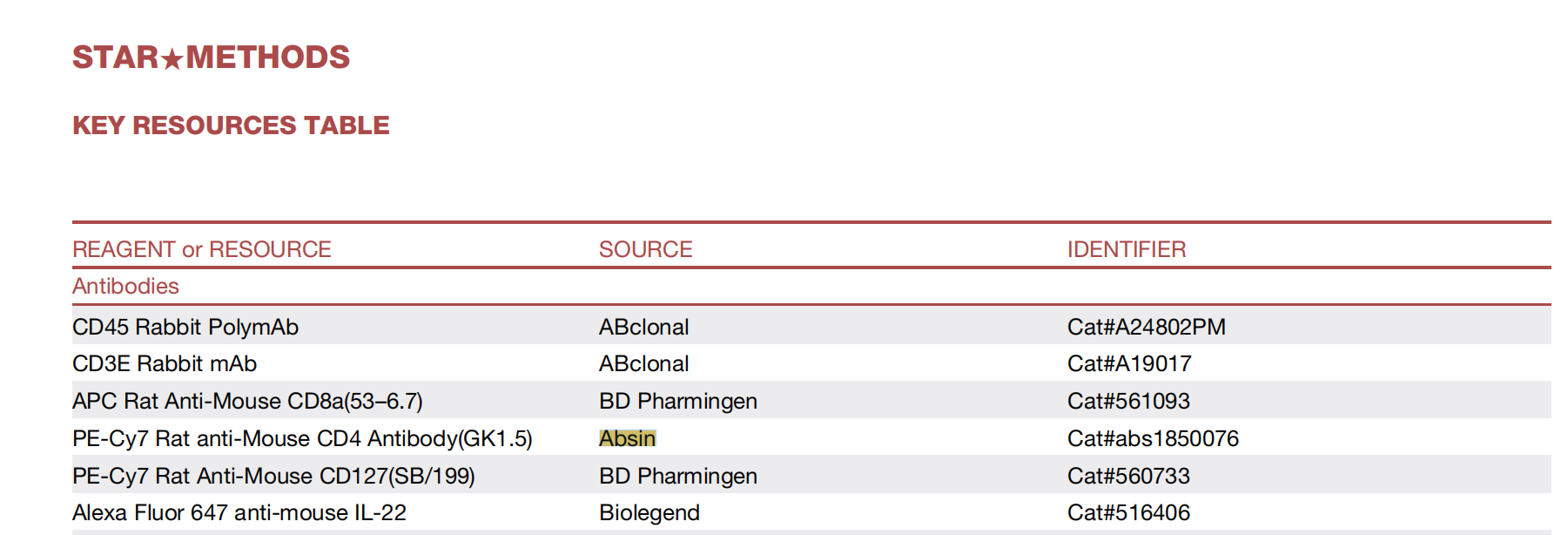
爱必信 Absin 产品简述:研究采用abs1850076 PE?Cy7 Rat anti?Mouse CD4 Antibody(GK1.5) 用于流式细胞术标记小鼠 CD4?T 淋巴细胞(Th17 属于 CD4?T 细胞亚群),定量分析肠道固有层 CD4?T 细胞比例、Th17 细胞亚群占比,验证病毒组诱导的 CD4?Th17 细胞浸润,为 T 细胞介导的代谢调控机制提供流式检测关键工具。
二、研究领域背景介绍
肠道微生物组维持宿主代谢稳态,既往绝大多数研究集中于细菌组、真菌组;肠道病毒组 97% 以上为噬菌体,数量远超细菌,但过去大多只报道病毒组与代谢疾病的相关性,缺少因果性功能实验证据,无法区分病毒组是直接作用还是通过改变细菌间接影响宿主生理。
小肠是机体碳水感知、消化吸收的核心器官,碳水代谢紊乱与 2 型糖尿病、非酒精性脂肪肝、肥胖密切相关。已有发现噬菌体可以直接作用于哺乳动物细胞,触发免疫与代谢应答;在肥胖、T2DM 患者肠道中病毒组组成发生改变,但肠道病毒组是否可以独立调控小肠营养感知、碳水消化吸收,具体分子通路完全不清楚。既往病毒组研究多依赖相对丰度测序,忽略病毒绝对载量;该研究使用抗病毒鸡尾酒 AVC、吖啶黄素降低病毒颗粒、粪便病毒组移植 FVT、无菌小鼠、抗生素清除菌群小鼠(ABXT)等体系,把病毒组效应和细菌效应解耦,直接解析肠道病毒组自主调控宿主代谢的分子机制。
三、作者整体递进研究思路总结
全文遵循「体内表型发现→排除细菌混淆因素→病毒组直接功能验证→细胞层面解析不同细胞应答差异→免疫细胞关键通路挖掘→分子组分机制解析→基因缺陷鼠回救、细胞共培养回救→人源细胞体系验证」共 8 层完整基础转化研究逻辑链:
1. 动物表型:抗病毒鸡尾酒 AVC 耗竭肠道病毒颗粒,观察不同饮食下小鼠糖代谢、小肠碳水消化吸收基因变化,发现病毒组调控碳水代谢,效应依赖碳水供给,不依赖脂肪;
2. 多套细菌背景(氨苄青霉素预处理、不同来源 SPF 小鼠),证明细菌组成、代谢物不能解释 AVC 带来的代谢表型,提示病毒本身发挥作用;
3. 工具药物吖啶黄素(降低裂解噬菌体)、粪便病毒组移植 FVT、无菌 GF、ABXT 模型,证明病毒颗粒(VLPs)载量决定代谢表型,噬菌体是效应分子;
4. 体外肠隐窝培养,意外发现:病毒颗粒直接刺激肠上皮会上调碳水消化吸收基因,和体内 FVT 表型相反,提示体内存在抑制性免疫细胞;
5. 流式、细胞耗竭实验锁定抗原提呈细胞 APC、CD4?T(Th17)是关键;缺失 T 细胞(Rag2?/?)小鼠中病毒组只表现出促进碳水吸收;
6. 解析病毒组分功能:病毒核酸作用于肠上皮,噬菌体衣壳蛋白激活 APC?T 细胞通路;黏液层是病毒被 APC 捕获的必要条件;
7. 下游细胞因子锁定 IL?23?Th17?IL?22 轴;体内抗体中和、基因敲除、过表达回救完整确认通路;IL?22 是直接抑制肠上皮碳水吸收的效应细胞因子;
8. 使用人 Caco?2 单层细胞、人源肠道类器官验证该调控通路在人上皮细胞保守。
四、分模块详细研究思路、实验结果、对应图片
模块 1:耗竭肠道病毒组改变小鼠碳水消化吸收,效应依赖膳食碳水
1. 研究逻辑:使用抗病毒鸡尾酒 AVC 处理 SPF 小鼠,设置多种宏量营养素饮食(普通饲料、高脂、高果糖、高葡萄糖),检测体重、FCR、口服葡萄糖耐量 OGTT、小肠上皮碳水消化吸收(CD&A)基因;GF 无菌小鼠给药 AVC 排除药物直接毒性;明确病毒组只调控碳水代谢。
2. 核心实验:AVC 小鼠干预;多饮食造模;OGTT/IGTT 糖耐;qPCR 小肠 CD&A 基因;免疫组化检测 SGLT1、GLUT2;无菌小鼠药物对照。
3. 关键实验结果
· AVC 降低肠道病毒样颗粒 VLP,细菌载量无显著改变;普通饲料、高碳水饮食下 AVC 小鼠体重上升、FCR 下降、OGTT 受损;但 60% 高脂低碳水饮食无此表型;
· AVC 不改变无菌小鼠任何代谢指标,排除 AVC 药物直接毒性;
· qPCR:SPF 小鼠 AVC 处理后小肠碳水消化吸收基因显著上调,脂类、氨基酸通路无明显变化;高果糖饮食 AVC 加重肝脏脂肪变性。
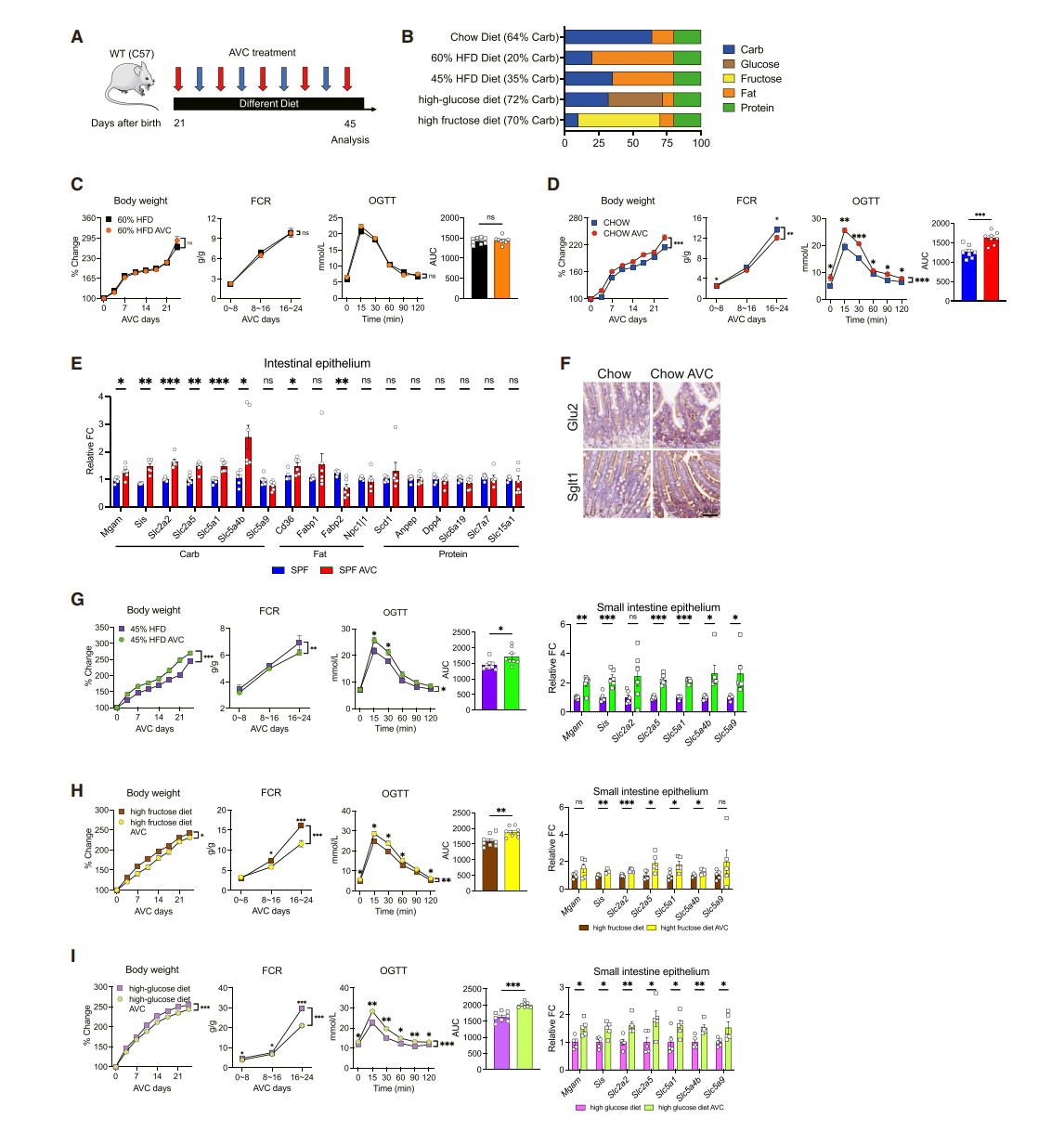 Figure 1. Commensal enteric virome regulates carbohydrate digestion and absorption
(A) Experimental scheme for (C)–(I).
(B) Macronutrient composition of each diet, expressed as a percentage of total calories.
(C and D) and (G–I) body weight, FCR, OGTT, and qPCR analysis of CD&A gene transcription in small intestine epithelium of SPF mice on a (C) 60% HFD, (D) chow diet, (G) 45% HFD, (H) high?fructose diet, and (I) high?glucose diet, with or without AVC. n = 8 mice.
(E) qPCR analysis of macronutrient uptake gene transcription in small intestine epithelium of SPF mice on a chow diet, with or without AVC. n = 6 mice.
模块 2:细菌组成、代谢物不能解释 AVC 诱导的代谢表型
1. 研究逻辑:改变肠道细菌背景(氨苄 AMP 预处理、不同供应商 SPF 小鼠 SLACC),在不同细菌群落下观察 AVC 是否依然诱导代谢表型;宏基因组、代谢组、短链脂肪酸检测,寻找共同变化细菌 / 代谢物;判断表型是否来源于病毒。
2. 核心实验:多微生物背景小鼠;16S、宏基因组鸟枪测序;非靶向代谢组;SCFA 短链脂肪酸测定;相关性分析 VLP 数量与 FCR、OGTT。
3. 关键实验结果
· 在 3 种完全不同细菌背景下,AVC 依旧可以造成体重、FCR、OGTT 异常;
· 没有共享的差异细菌分类单元、KEGG 通路、代谢物;短链脂肪酸无统一改变;
· VLP 病毒颗粒丰度是 FCR、OGTT 最强相关变量,而非细菌;AVC 处理第 3 天 VLP 下降,OGTT 已经受损,细菌多样性还未变化。
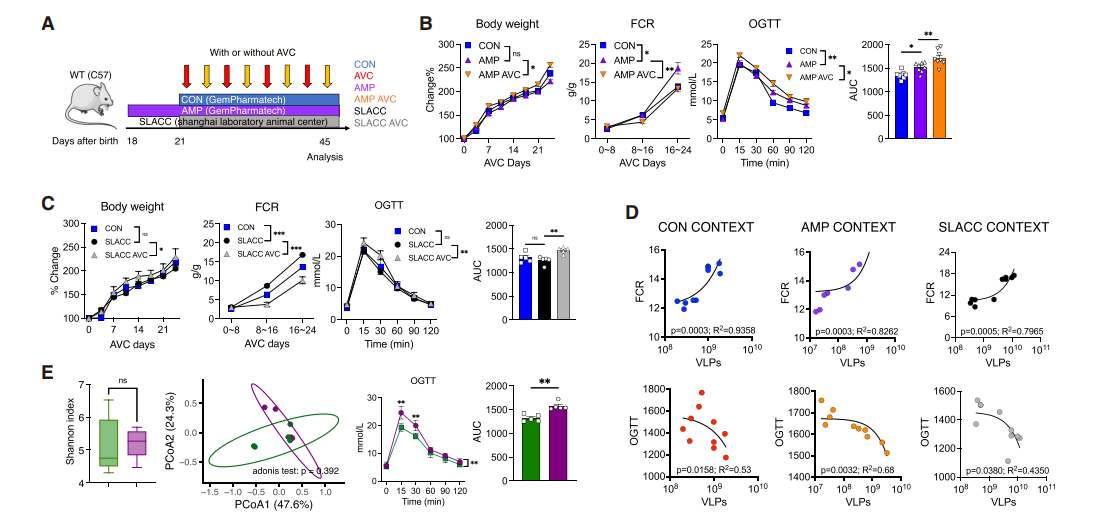 Figure 2. Bacterial composition, function, and metabolites do not account for AVC?induced metabolic phenotypes
(A) Experimental schemes for (B) and (C).
(B) and (C) Body weight, FCR, and OGTT in chow?fed (B) AMP or (C) SLACC mice, with or without AVC. n = 8 mice.
(D) Simple linear regression illustrating the Pearson’s correlation between the VLP counts and FCR and OGTT.
(E) Bacterial diversity and OGTT in mice treated with or without 3?day AVC. OGTT and 16S sequencing were performed on day 4. n = 5 mice.
(B, C, and E) Mean ± SEM analyzed by two?way ANOVA with Geisser?Greenhouse correction and two?tail t test. *p < 0.05, **p < 0.01, ***p < 0.001.
See also Figures S2 and S3.
模块 3:肠道病毒组(裂解噬菌体)以载量依赖方式自主调控碳水代谢
1. 研究逻辑:吖啶黄素特异性降低裂解噬菌体;粪便病毒组移植 FVT 到 GF 无菌小鼠、ABXT(清除细菌真菌)小鼠;分离 T7 噬菌体、小鼠 / 人源原代裂解噬菌体移植;验证病毒颗粒本身驱动表型;解析 DNA/RNA 病毒贡献。
2. 核心实验:吖啶黄素给药;VLP 富集、FVT 粪便病毒移植;DNA/RNA 病毒宏病毒组测序;噬菌体分离纯化;GF、ABXT 小鼠 VLP 移植。
3. 关键实验结果
· 吖啶黄素耗竭裂解噬菌体,可以重现 AVC 全部代谢表型;
· FVT 移植 VLP 到 GF、ABXT 小鼠,改善 OGTT,抑制小肠 CD&A 碳水消化吸收基因,与 AVC 表型完全相反;效应呈剂量依赖性;
· DNA 病毒组测序:AVC / 吖啶黄素主要耗竭裂解噬菌体;RNA 病毒几乎不受 AVC 影响;
· 模式噬菌体 T7、混合原代裂解噬菌体鸡尾酒移植可以重现 FVT 的代谢表型;
· 黏液层破坏(N?乙酰半胱氨酸 NAC),VLP 无法被 APC 捕获,FVT 代谢效应完全消失。
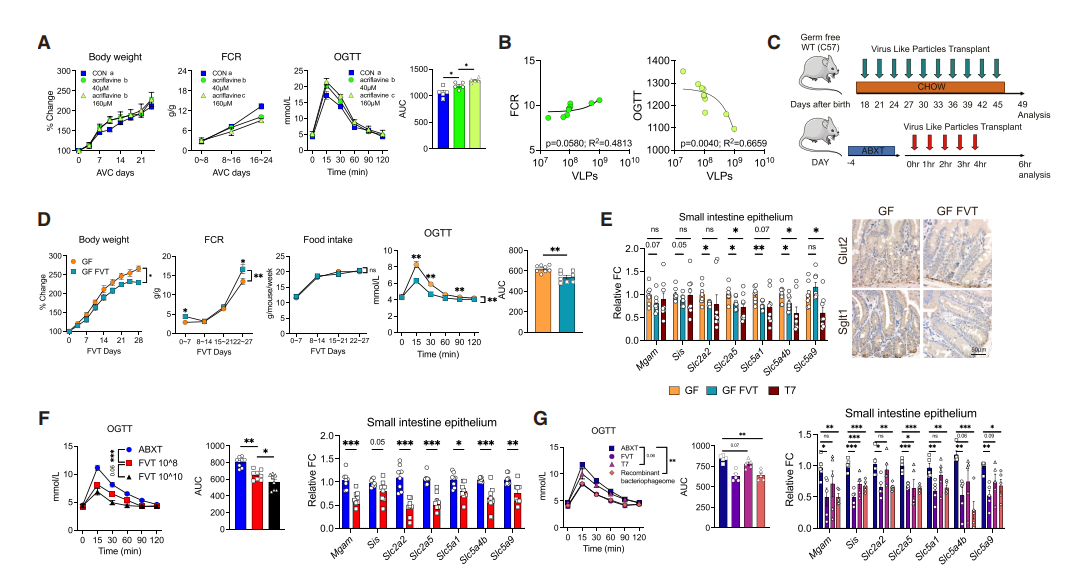 Figure 3. The enteric virome autonomously regulates CD&A in a load?dependent manner
(A) Body weight, FCR, and OGTT in SPF mice on a chow diet, with or without acriflavine. Different letters (a and b) indicate statistically significant differences between groups (p < 0.05). n = 5 mice.
(B) Simple linear regression illustrating the Pearson’s correlation between the numbers of VLP and FCR and OGTT in acriflavine?treated mice.
(C) Experimental design for (D) and (E) (top) and (F) and (G) (bottom).
(D) Body weight, FCR, food intake, and OGTT in GF mice on a chow diet, with or without FVT. n = 8 mice.
(E) Representative immunohistochemistry staining and qPCR analysis show the CD&A gene transcription in the small intestine of GF mice, with or without FVT or T7 transplantation. n = 8 mice.
(F) and (G) OGTT and qPCR analysis of CD&A gene transcription in small intestine epithelium of ABXT mice, with or without (F) FVT or (G) recombinant bacteriophages and T7. n = 5–8 mice.
(A, D, F, and G) Mean ± SEM analyzed by two?way ANOVA with Geisser?Greenhouse correction and two?tailed t test.
(E) Mean ± SEM analyzed by two?tail t test. *p < 0.05, **p < 0.01, ***p < 0.001.
See also Figures S4–S7 and Table S2
模块 4:肠上皮细胞直接感知病毒颗粒会上调碳水消化吸收程序
1. 研究逻辑:分离原代小鼠小肠肠隐窝体外培养,直接用 VLP、T7、重组噬菌体刺激;解析病毒对肠上皮直接作用;scRNA?seq 观察 TA 扩增细胞;解释「体外上皮激活、体内 FVT 抑制」的矛盾,提示体内存在免疫抑制通路。
2. 核心实验:原代小肠隐窝体外刺激;qPCR CD&A 基因;Western blot;scRNA?seq。
3. 关键实验结果
· 体外单独肠隐窝:VLP、T7、噬菌体鸡尾酒剂量依赖性上调 CD&A 碳水消化吸收基因;与体内 FVT 移植的抑制表型相反;
· TA 瞬时扩增细胞亚群 CD&A 基因无变化;提示抑制效应来源于非上皮的其他细胞类型(免疫细胞)。
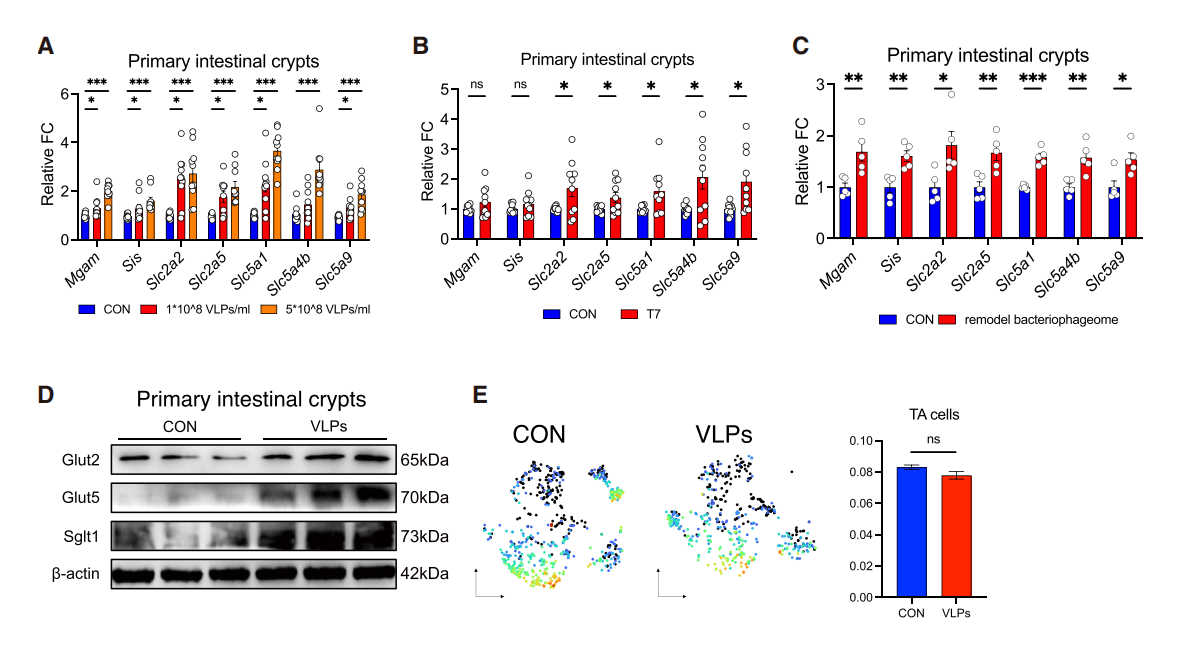 Figure 4. Virome sensing by IECs enhances, rather than suppresses, CD&A
(A–C) qPCR analysis of CD&A gene transcription in intestinal crypts stimulated with or without (A) VLPs, (B) T7, and (C) recombinant bacteriophagesome. n = 5–10. (D) Representative images of western blot analysis of CD&A protein expression in primary intestinal crypts treated with or without VLPs. (E) Subset of TA cells assigned weight of CD&A genes and results from AUCell analysis. (A–C) Mean ± SEM analyzed by two?tailed t test. *p < 0.05, **p < 0.01, ***p < 0.001.
See also Figure S8.
模块 5:病毒组通过抗原提呈细胞 APC?CD4?T 细胞轴调控碳水消化吸收
1. 研究逻辑:荧光标记 VLP 示踪;细胞耗竭实验(clodronate 清除 F4/80?APC;抗体清除 CD4?T、CD8?T;Rag2?/?T 细胞缺陷小鼠;CD3?T 细胞过继回输);MHC?II 阻断;体外 APC?T?肠隐窝共培养;区分病毒核酸与衣壳蛋白功能。
?爱必信产品实验步骤:使用 abs1850076 PE?Cy7 Rat anti?Mouse CD4 Antibody (GK1.5) 流式染色,检测小鼠小肠固有层淋巴细胞,定量 CD4?/CD8?T 细胞比例,追踪 CD4?T(Th17)细胞在病毒组刺激下的浸润改变;CD4 抗体体内耗竭实验后同样用该抗体流式验证 CD4?T 清除效率。
2. 核心实验:荧光标记 VLP;流式细胞术(Absin abs1850076 参与);体内细胞耗竭;Rag2?/?小鼠、T 细胞过继转移;MHC?II 中和抗体;体外细胞共培养;病毒衣壳、病毒核酸组分分离刺激实验。
3. 关键实验结果
· VLP 主要被 CD45?F4/80?抗原提呈细胞捕获;
· 清除 APC、MHC?II 阻断、清除 CD4?T 细胞,FVT 抑制碳水吸收的效应完全消失;清除 CD8?T 无影响;
· Rag2?/?(无成熟 T/B 细胞)小鼠,FVT 不再抑制 CD&A,反而上调碳水消化吸收基因,重现体外肠上皮单独刺激结果;将 WT CD3?T 过继回输Rag2?/?小鼠,可以恢复 FVT 的抑制效应;
· 机制拆分:病毒核酸直接刺激肠上皮上调碳水基因;噬菌体衣壳蛋白被 APC 识别,通过 MHC?II 激活 CD4?T 细胞产生抑制信号。
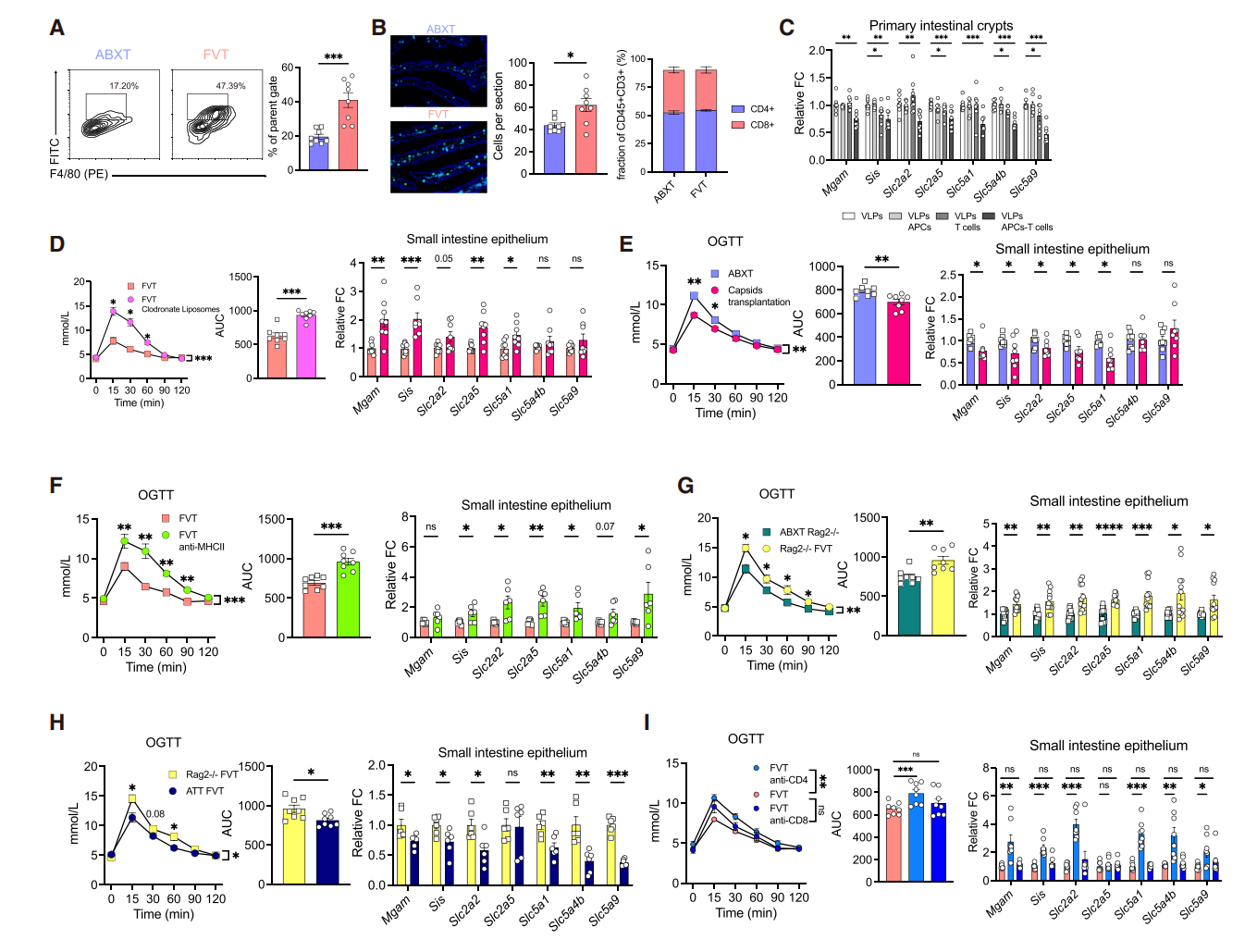 Figure 5. Virome regulates CD&A via APCs and T cells
(A) Flow cytometry for CD45+F4/80+ APCs from the small intestine of ABXT mice, with or without fluorescently labeled VLP transplantation. n = 8 mice. (B) CD45 (cyan) and CD3 (green) immunofluorescence in intestines of FVT?treated ABXT mice, with quantification of CD3+ T cell infiltration per section and CD4+/ CD8+ proportions among lamina propria T cells by flow cytometry. n = 8 mice. (C) qPCR analysis of CD&A gene transcription in VLP?treated WT intestinal crypts stimulated with or without APCs or T cells. n = 8–10. (D, F, and I) OGTT and qPCR analysis of CD&A gene transcription in the small intestines of WT FVT mice treated with or without (D) clodronate liposomes, (F) anti?MHC II antibodies, and (I) anti?CD4 or anti?CD8 antibodies. n = 6–8 mice. (E) OGTT and qPCR analysis of CD&A gene transcription in the small intestine of ABXT WT mice treated with or without capsid transplantation. n = 5–8 mice. (G) and (H) OGTT and qPCR analysis of CD&A gene transcription in the small intestine of ABXT Rag2? /? mice: (G) comparison of vehicle versus FVT and (H) comparison of FVT alone versus FVT plus adoptive transfer of CD3+ T cells (ATT). n = 8 mice. (A–C) Mean ± SEM analyzed by two?tailed t test.
(D–I) Mean ± SEM analyzed by two?way ANOVA with Geisser?Greenhouse correction and two?tailed t test. *p < 0.05, **p < 0.01, ***p < 0.001. See also Figures S9–S11.
模块 6:病毒组通过 APC?IL?23 驱动 Th17 分泌 IL?22,抑制肠上皮碳水消化吸收
1. 研究逻辑:检测细胞因子;IL?22/IL?23 体内中和抗体;Il22?/?CD4?T 过继回输;重组 IL?22 回救;流式定位 IL?22 来源于 Th17 而不是 ILC3;人源 Caco?2、人肠道类器官验证保守性。
2. 核心实验:ELISA 检测 IL?23、IL?22;流式细胞因子染色 Th17/ILC3;体内 IL?22、IL?23 中和抗体;Il22?/?T 细胞过继转移;重组 IL?22 蛋白干预;人 Caco?2 单层、人肠道类器官。
3. 关键实验结果
· FVT 处理后 APC 分泌 IL?23,诱导固有层 Th17 细胞产生 IL?22;IL?22 主要来自 Th17,不是 ILC3;
· IL?22 直接作用肠上皮,下调全部碳水消化吸收 CD&A 基因,逆转 VLP 对上皮的刺激效应;
· 体内中和 IL?22、中和 IL?23 会完全废除 FVT 对糖代谢改善作用;Rag2?/?回输Il22?/?CD4?T 细胞,FVT 失去保护效果;给Rag2?/?补充重组 IL?22 可以抑制 CD&A;
· 人源 Caco?2 细胞:人源 VLP 上调人碳水消化吸收基因;补充 IL?22 可以逆转该上调;人肠道类器官也验证 IL?22 抑制碳水基因,提示通路在人类保守。
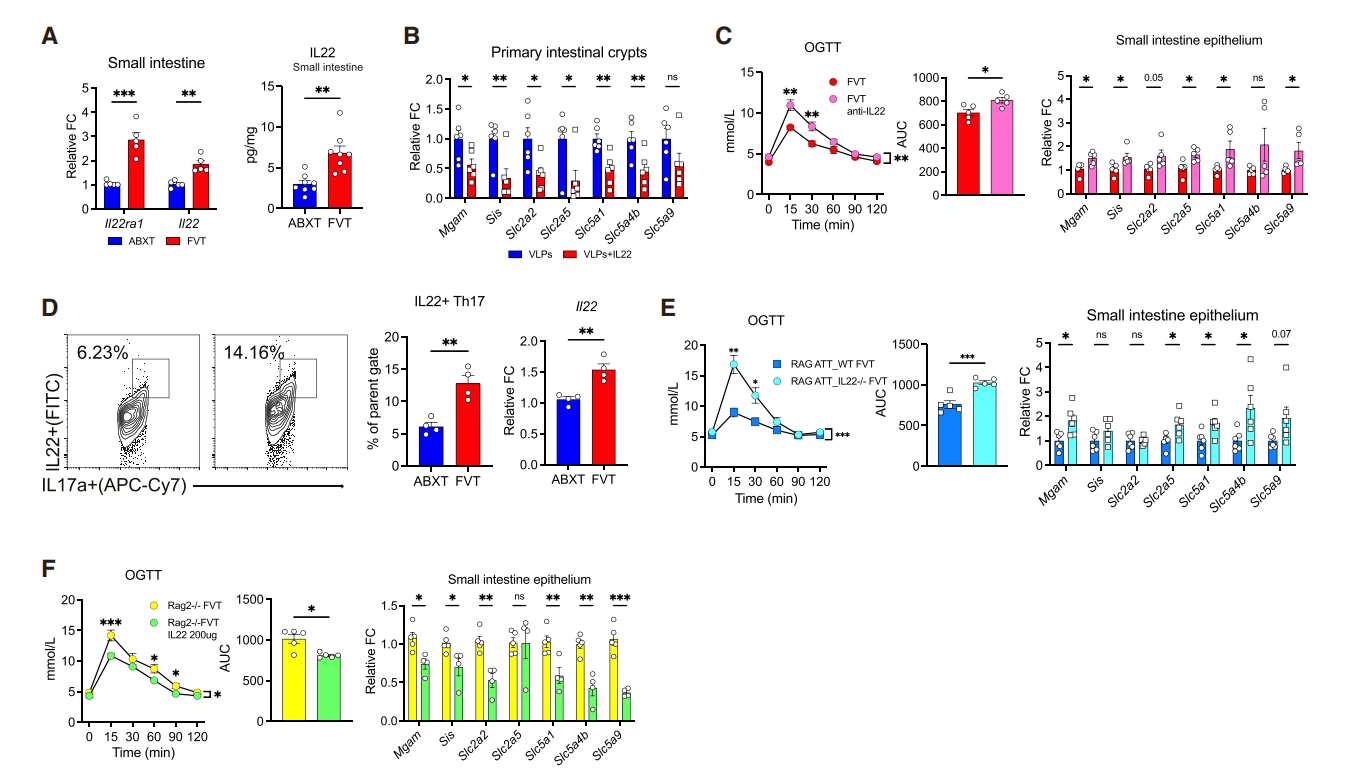 Figure 6. Virome suppresses CD&A through Th17 cell?IL?22
(A) ELISA and qPCR analysis of IL?22 and Il22ra1 in the small intestine of WT C56BL/6J mice treated with or without FVT. n = 8 mice. (B) qPCR analysis of CD&A gene transcription in VLP?treated intestinal crypts with or without recombinant IL?22 protein. n = 6.
(C) OGTT and qPCR analysis of CD&A gene transcription in the small intestine in FVT?treated WT mice, with or without anti?IL?22 antibodies. n = 5 mice. (D) Flow cytometry of IL?22 expression in Th17 from ABXT WT mice treated with or without FVT. The right panel shows qPCR analysis of Il22 transcription in sorted Th17. n = 4 mice. (E) OGTT and qPCR analysis of CD&A gene transcription in the small intestine of Rag2? /? mice receiving adoptive transfer of CD4+ T cells from IL?22? /? or WT donors, following FVT treatment. n = 5 mice. (F) OGTT and qPCR analysis of CD&A gene transcription in the small intestine in Rag2? /? FVT mice treated with or without recombinant IL?22 protein. n = 5 mice. (A, B, and D) mean ± SEM analyzed by two?tailed t test. (C, E, and F) Mean ± SEM analyzed by two?way ANOVA with Geisser?Greenhouse correction and two?tailed t test. *p < 0.05, **p < 0.01, ***p < 0.001. See also Figures S12–S15.
五、爱必信(Absin)产品整体作用总结
1. 关键流式标志物:abs1850076 PE?Cy7 Rat anti?Mouse CD4 Antibody (GK1.5) 作为 CD4?T 细胞的流式荧光标记抗体,用于小鼠肠道固有层淋巴细胞的多色流式分析,识别、定量 CD4?T 淋巴细胞亚群,监测病毒组刺激后肠道 CD4?T(Th17)的浸润变化;
2. 体内耗竭效率验证:在使用 CD4 体内耗竭抗体处理小鼠后,该流式抗体用来确认 CD4?T 细胞清除效果,为 CD4?T 细胞在病毒组调控碳水代谢中的必要性提供关键流式证据;
3. 支撑核心机制论证:该抗体辅助完成 Th17(CD4?IL?17A?)细胞的分群检测,帮助证实肠道病毒组依赖 CD4?Th17?IL?22 轴调控小肠碳水代谢,是本免疫机制模块不可或缺的核心流式试剂,支撑该 Cell 子刊中病毒?免疫?代谢交叉机制的关键论证。
相关产品
| 货号 | 品名 | 链接 |
| abs1850076 | PE?Cy7 Rat anti?Mouse CD4 Antibody(GK1.5) | https://www.absin.cn/ |

- 手机:13761418683